


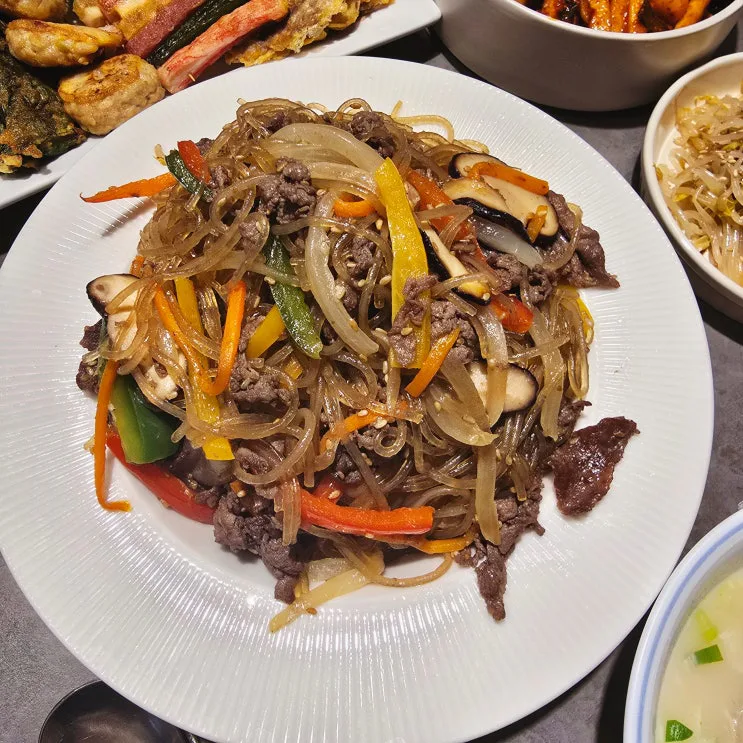
How to Make Japchae: The Golden Recipe for Preventing Soggy
Have you been stressed out because the noodles get soggy every time you make japchae? I used to be, too, but after learning this golden recipe, the problem was completely solved.
You've been stressed out because the noodles get soggy every time you make japchae, haven't you?
I was like that too, but it was completely resolved after I found this golden recipe.
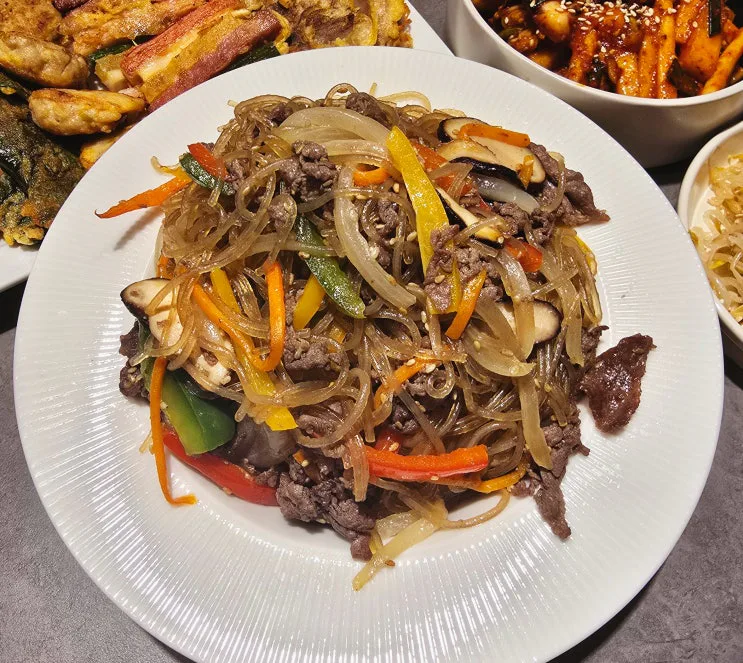
✅ Boil the glass noodles directly in the sauce without soaking them.
✅ Simply stir-fry the ingredients separately and mix them in a large bowl, and you're done.
✅ If you add beef bulgogi, the flavor is instantly enhanced without the need for separate seasoning.
I tried making a recipe from the 'Kim Jin-soon Lunchtime' channel, which is trending on YouTube these days, in my own style.
The original recipe uses sirloin for japchae, but I found it much tastier to use marinated beef bulgogi.
The meat seasoning holds the overall flavor of the japchae together, so there is almost no need to adjust the seasoning separately.
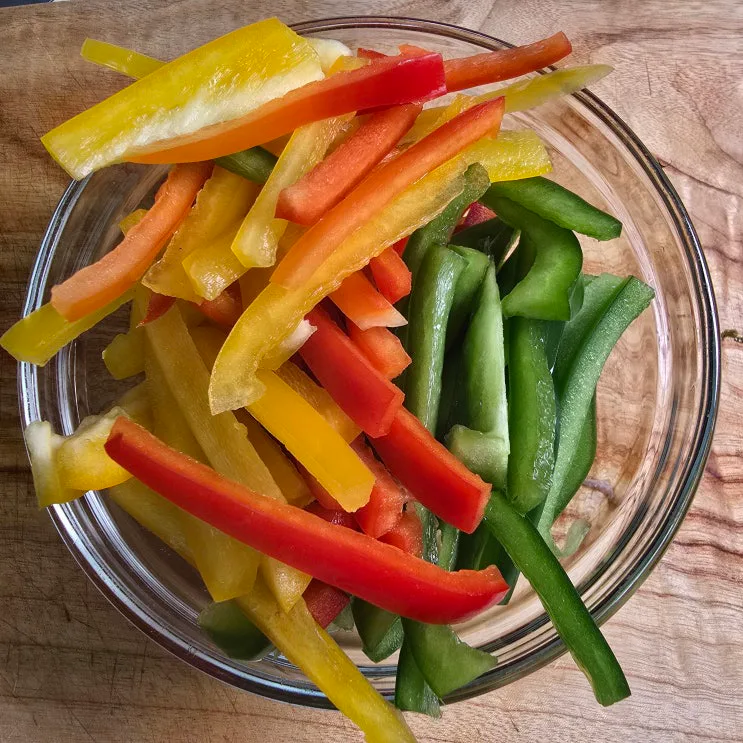
📌 Ingredients
📍 Golden Recipe for Non-Soggy Japchae
⏱ Cooking time: 40 minutes | Difficulty: ★★☆
[Main Ingredients]
300g dried glass noodles
500g seasoned beef bulgogi
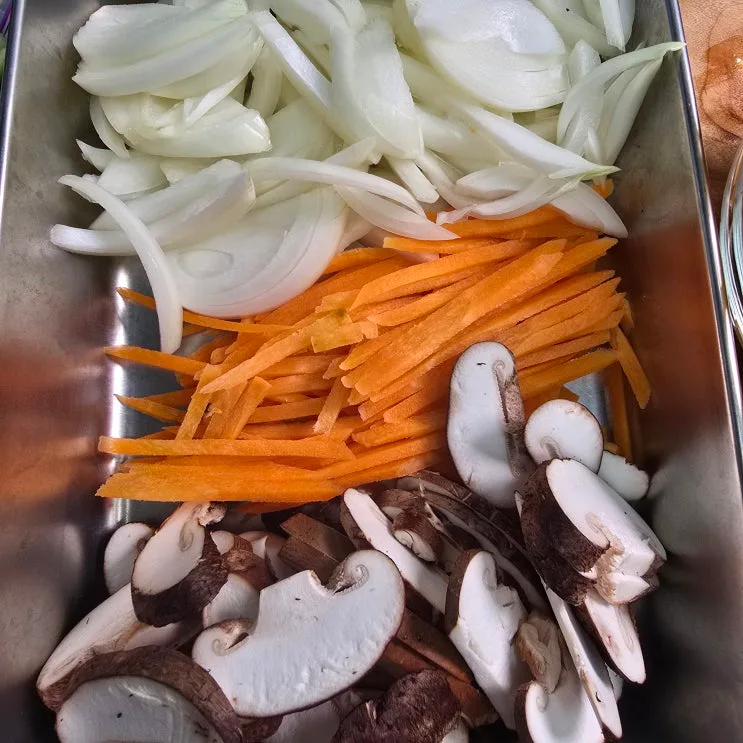
1 onion
1/2 slice of carrot
3 shiitake mushrooms
1 yellow bell pepper and 1 red bell pepper
1 bell pepper
[Japchae Sauce]
1.3 liters of water
1/2 cup (10 tablespoons) soy sauce
1/2 cup cooking oil
4 tablespoons of cooking wine
6 tablespoons of corn syrup
1 tablespoon of oyster sauce
[For Stir-frying]
A little seasoned salt (when stir-frying vegetables)
Whole sesame seeds (for finishing)
3 tablespoons of sesame oil (for mixing)
💡 If you use seasoned beef bulgogi instead of sirloin for japchae, you don't need to marinate the meat beforehand. I make it this way every time, and the seasoning for the entire japchae is just right.
📌 How to make it
🔥 Boiling the glass noodles — this is the key.
STEP 1. Boil the Japchae sauce (high heat)
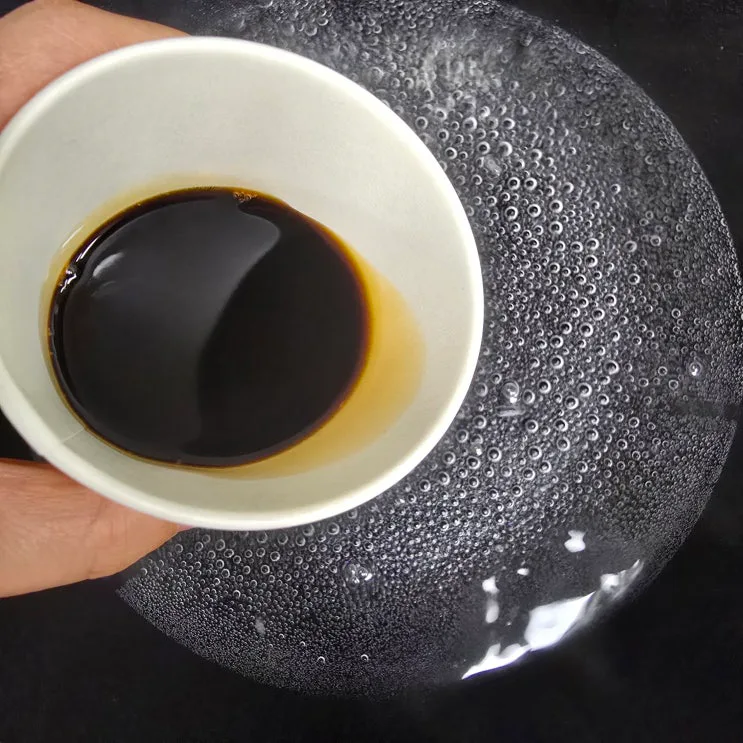
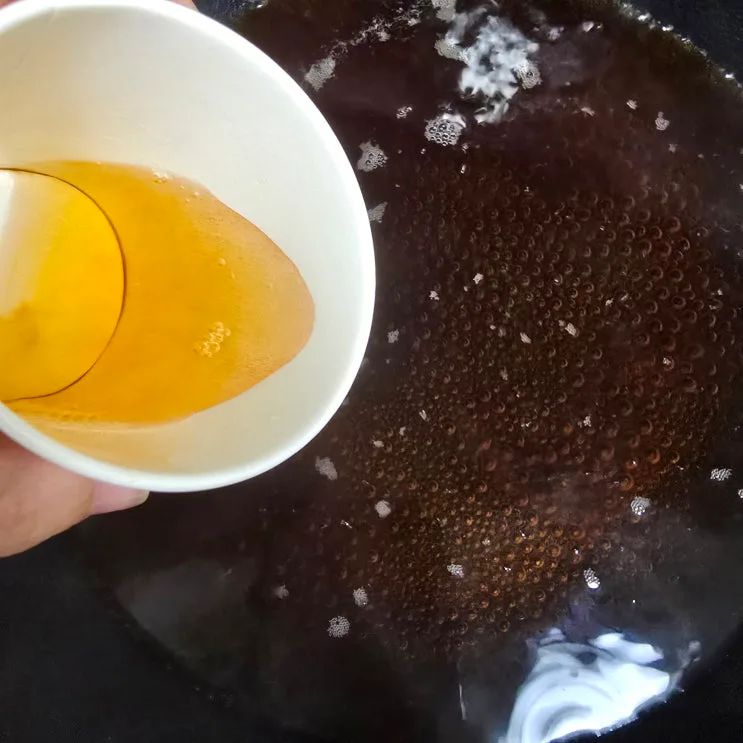
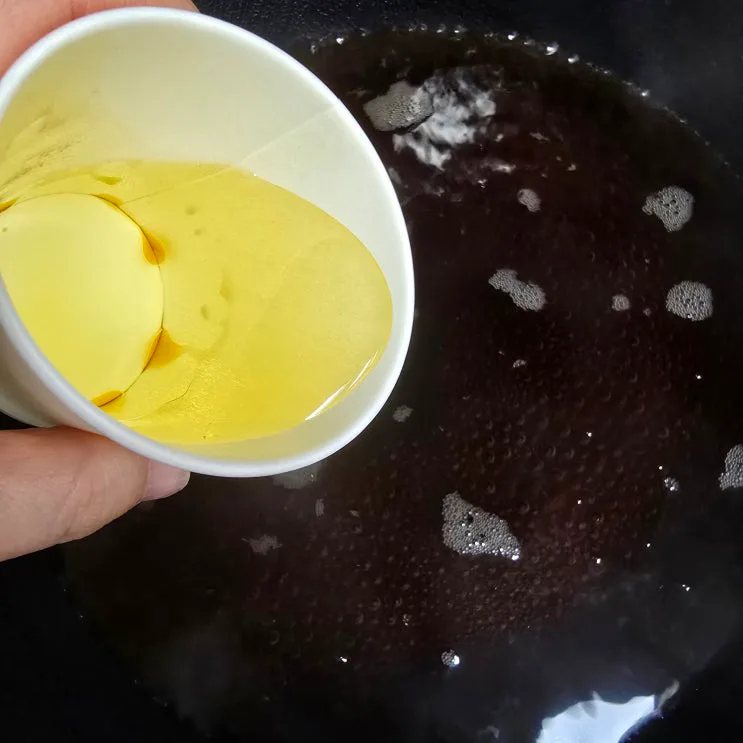
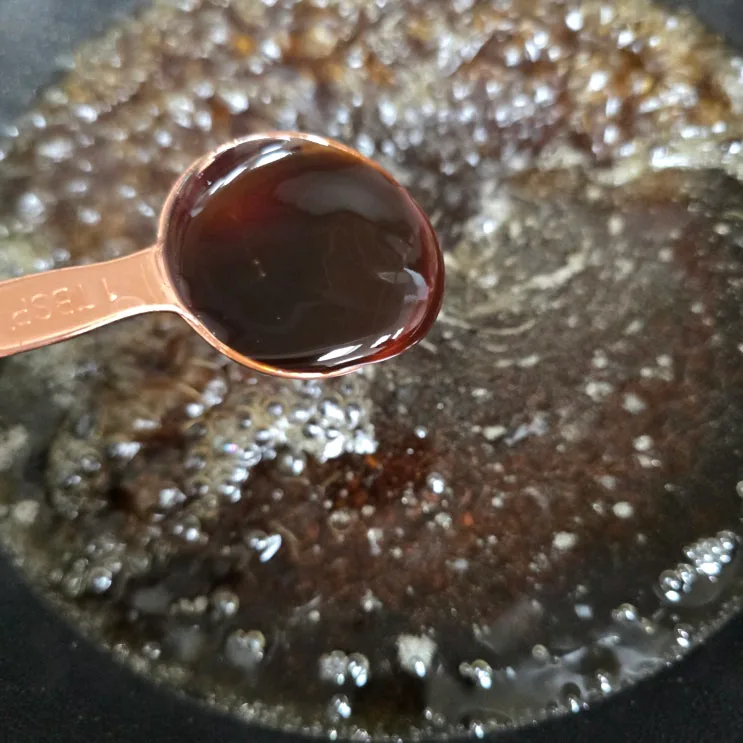
Add 1.3L of water, 1/2 cup of soy sauce, 1/2 cup of cooking oil, 3 tablespoons of mirin, 5 tablespoons of corn syrup, and 1 tablespoon of oyster sauce to a large pot and place it over high heat.
💡 Boiling the sauce first is the key to the golden recipe for japchae that doesn't get soggy. Since the glass noodles cook while absorbing the sauce, there is no need to mix them with seasoning separately.
STEP 2. Add the dried glass noodles immediately (medium heat for 10 minutes)
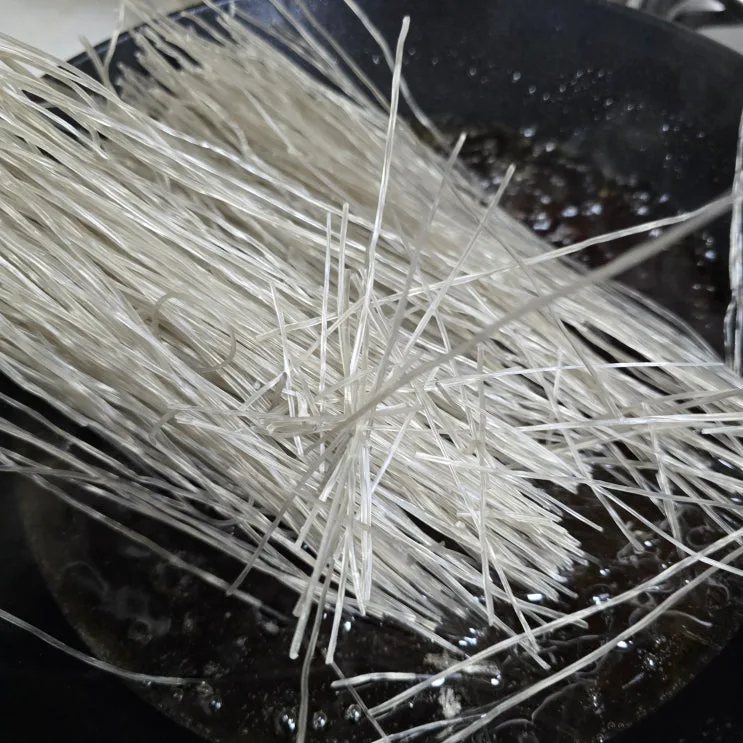
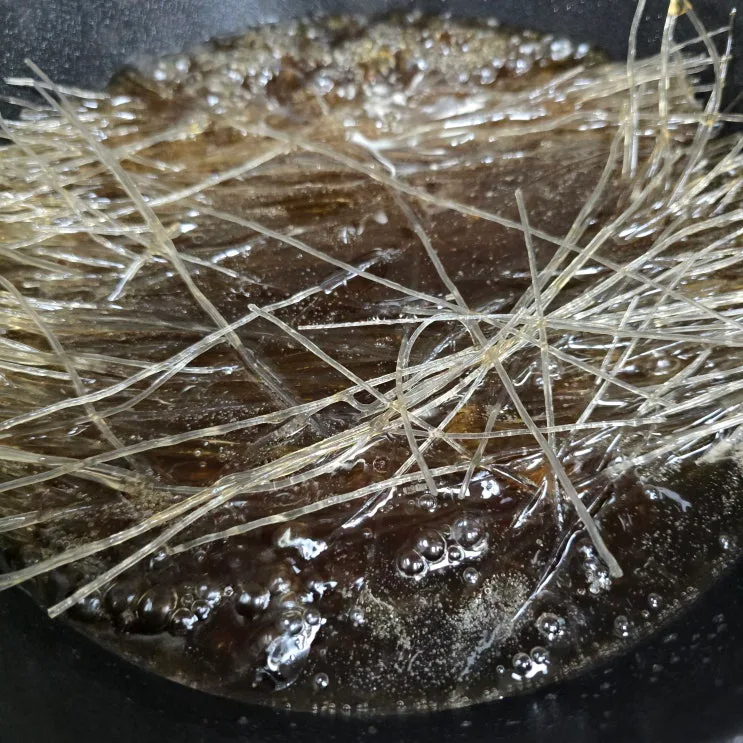
Once the sauce is boiling vigorously, add 300g of dry glass noodles without soaking them first. Reduce the heat to medium and cook for 10 minutes. Loosen them up with chopsticks 2 to 3 times during cooking.
⚠️ If the heat is too high, the sauce will reduce quickly and the glass noodles may become hard. Please be sure to reduce the heat to medium.
💡 Since I boil the glass noodles directly in the sauce without soaking them first, the seasoning penetrates deep inside, and they don't get soggy later. This is truly a whole new world.
STEP 3. Check if the glass noodles are finished
After 10 minutes, when the sauce has almost reduced and the glass noodles are cooked until chewy, turn off the heat. Transfer the glass noodles to a large bowl.
🥘 Stir-fry ingredients separately
STEP 4. Stir-fry the beef bulgogi (medium-high heat for 5 minutes)
Place 500g of seasoned beef bulgogi in a pan without oil. Stir-fry over medium-high heat for about 5 minutes.
💡 The seasoned beef bulgogi itself has fat, so you don't need to add extra oil. This meat is responsible for the umami flavor of the entire japchae.
STEP 5. Stir-frying other vegetables and mushrooms
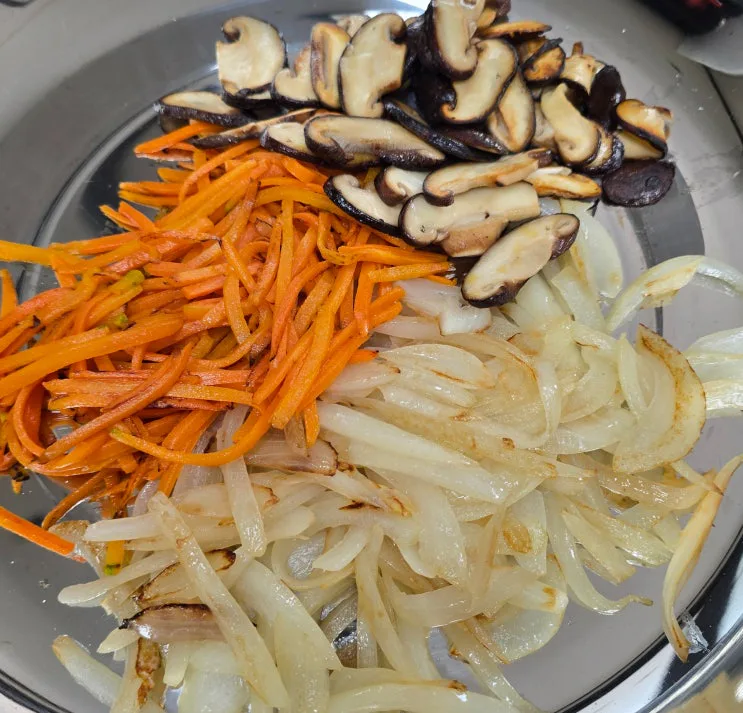
Slice the onion and carrots thinly, add 1 tablespoon of oil to a pan, and sauté over medium heat for 3 minutes. Sprinkle with a little seasoned salt.
Slice 3 shiitake mushrooms and sauté them over medium heat for 2 minutes. Add a pinch of seasoned salt.
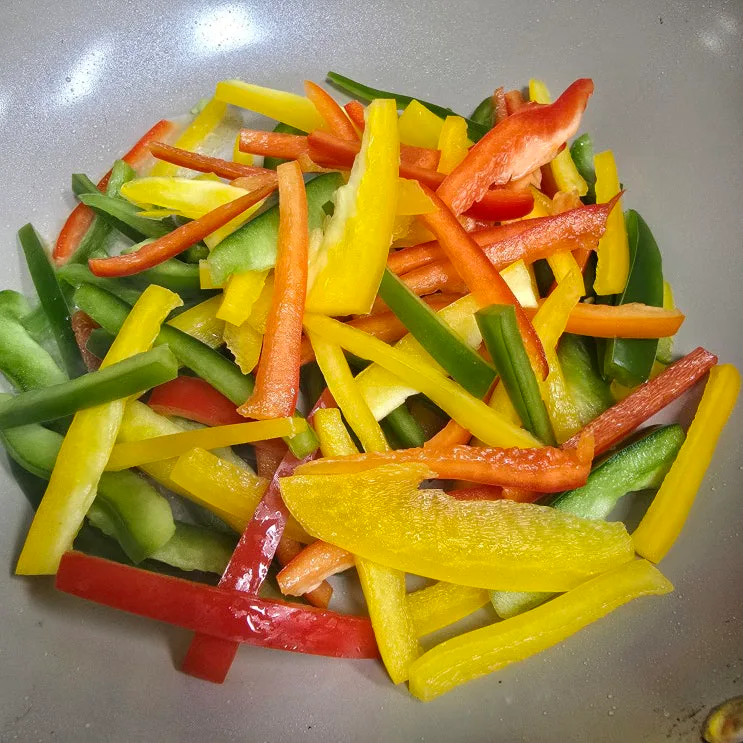
Julienne one yellow bell pepper, one red bell pepper, and one green bell pepper, then sauté over medium heat for 2 minutes. Sprinkle with a little seasoned salt.
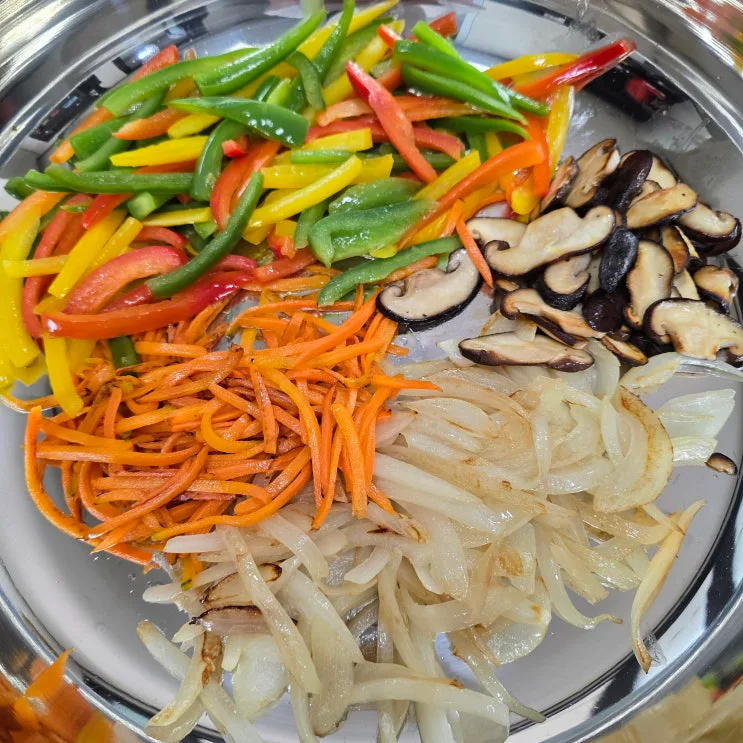
🥢 Mixing
STEP 6. Combine everything into a large bowl
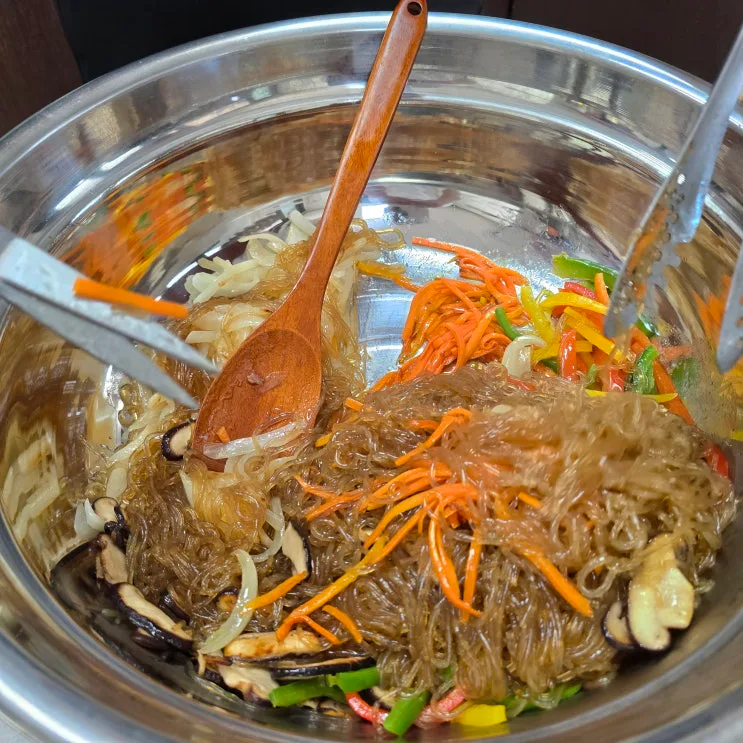
Put the sauce-soaked glass noodles, beef bulgogi, and stir-fried vegetables into a large bowl. Add 2 tablespoons of sesame oil and mix well.
💡 You need to mix the glass noodles while they are still warm so they mix well. If they cool down, they clump together and are difficult to mix.
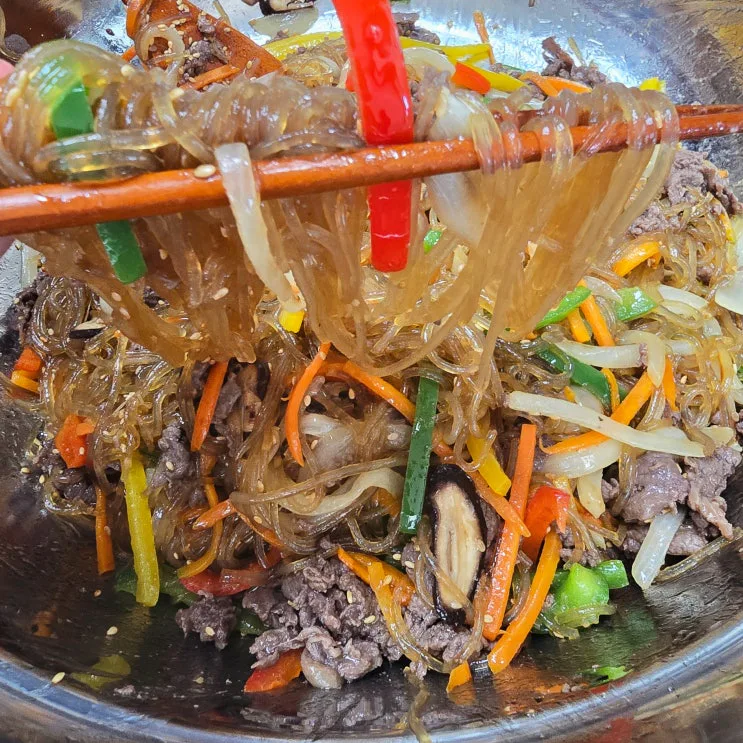
Take a bite, and if it's bland, add 1 tablespoon of soy sauce. Sprinkle generously with whole sesame seeds to finish!
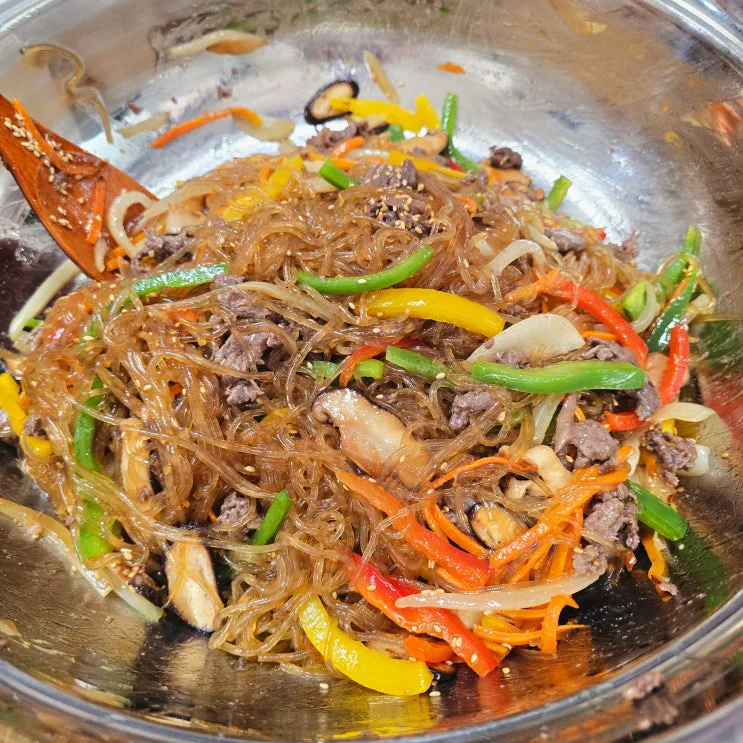
🔥 One key line of how to make Japchae:
Do not soak the glass noodles; boil them directly in the sauce.
This is the whole golden recipe for japchae that doesn't get soggy.
📌 Storage method: Refrigerate for 2 days. When reheating, drizzle a little sesame oil in a pan and stir-fry to make it chewy again.
📌 Application: You can use sirloin for japchae or chicken breast instead of beef bulgogi. But honestly, marinated beef bulgogi is the tastiest... haha.
😅 One downside — if the beef bulgogi seasoning is strong, the color of the japchae might turn a bit dark.
If you care about the visuals, choose a product that is slightly lighter than soy sauce seasoning.
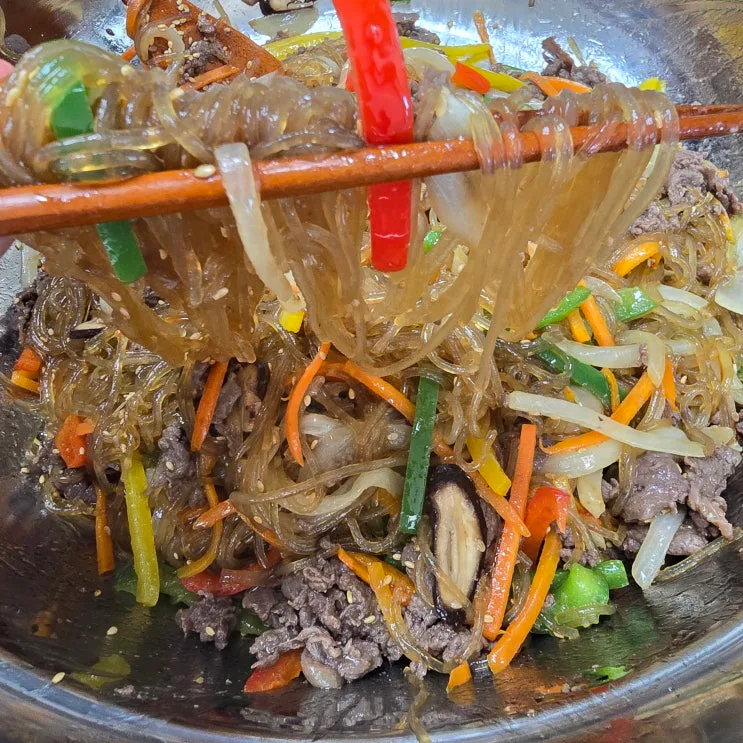
When you pick up a chopstickful, the sauce is thoroughly soaked into the bouncy glass noodles. The more I chewed, the chewier they became, making me realize that this is what real, un-soaked glass noodles are like.
It is on a whole different level compared to when it is made with sirloin for japchae.
Plain seasoned meat is bland, but marinated beef bulgogi is packed with flavor in every bite. It feels like the crispness of the vegetables, the chewiness of the glass noodles, and the umami of the beef bulgogi are bursting in your mouth.
Once you put it on top of rice and take a bite, you just can't stop. You always leave some behind when I make japchae, right? But I really polished off this one completely haha.
💬 What kind of meat do you put in your japchae?
A. Sirloin meat for Japchae
B. Seasoned Beef Bulgogi
C. I don't add it (vegetables only!)
Please let me know in the comments! 😊
Nutrition
Estimated per serving
- Calories
- 760 kcal
- Carbohydrates
- 79.2 g
- Protein
- 29.4 g
- Fat
- 35.6 g
- Sodium
- 1387 mg
Values are per-serving estimates based on the original ingredient quantities and public food-composition data. Actual products, intake, and cooked weight may change them. Calculation source: 식약처·농촌진흥청 통합 식품영양성분DB(2026-07), 원문 재료량 기준 추정